From its first isolation in 1808 to its position today as a critical material for aerospace and lightweight structural design - the industrial journey of magnesium.
Magnesium (Mg, atomic number 12) has a density of only 1.74 g/cm3 - approximately 33% lighter than aluminium and 77% lighter than steel - making it the lightest metallic structural material available for high-volume engineering use. It accounts for about 2.1% of the earth’s crust and is present in seawater in virtually inexhaustible quantities.
Magnesium combines high specific strength, excellent vibration damping capacity, effective electromagnetic shielding and good machinability, and is 100% recyclable. These properties make it a natural fit wherever mass reduction converts directly into performance - automotive, rail transit, aerospace, 3C electronics and construction formwork.
Early magnesium use was dominated by castings. With breakthroughs in wrought magnesium alloys across extrusion, rolling, forging and surface treatment, the material has progressed from individual parts to load-bearing structural components, entering a new phase of high-volume industrial application.
Four decisive material advantages.
In just over two centuries magnesium has evolved from a laboratory discovery into a strategic structural material.
British chemist Sir Humphry Davy isolated metallic magnesium by electrolysing a mixture of magnesia and mercuric oxide, bringing the element into scientific view.
French chemist Antoine Bussy reduced magnesium chloride with potassium vapour to obtain the first coherent piece of pure magnesium with a true metallic lustre.
Robert Bunsen built an electrolytic cell and produced magnesium from molten magnesium chloride - the route that underpinned industrial production for the following century.
The Griesheim-Elektron works in Germany started industrial electrolytic magnesium production and launched the renowned “Elektron” alloys, establishing magnesium as an engineering material.
Magnesium alloys entered aviation on the strength of their low density, used in engine casings, landing gear and airframe structures. Wartime aircraft demand drove a rapid expansion of magnesium capacity.
Canadian scientist Lloyd Pidgeon developed silicothermic vacuum reduction of dolomite, opening the route to low-cost, large-scale magnesium production.
Widespread adoption of the Pidgeon process, supported by dolomite reserves and energy availability, made China the world’s largest producer and supplier of primary magnesium.
Extrusion, rolling, forging and surface-treatment technologies matured in sequence, and AZ / AM / AE / WE / ZK wrought alloy series entered service - magnesium moved from the casting era into the structural era.
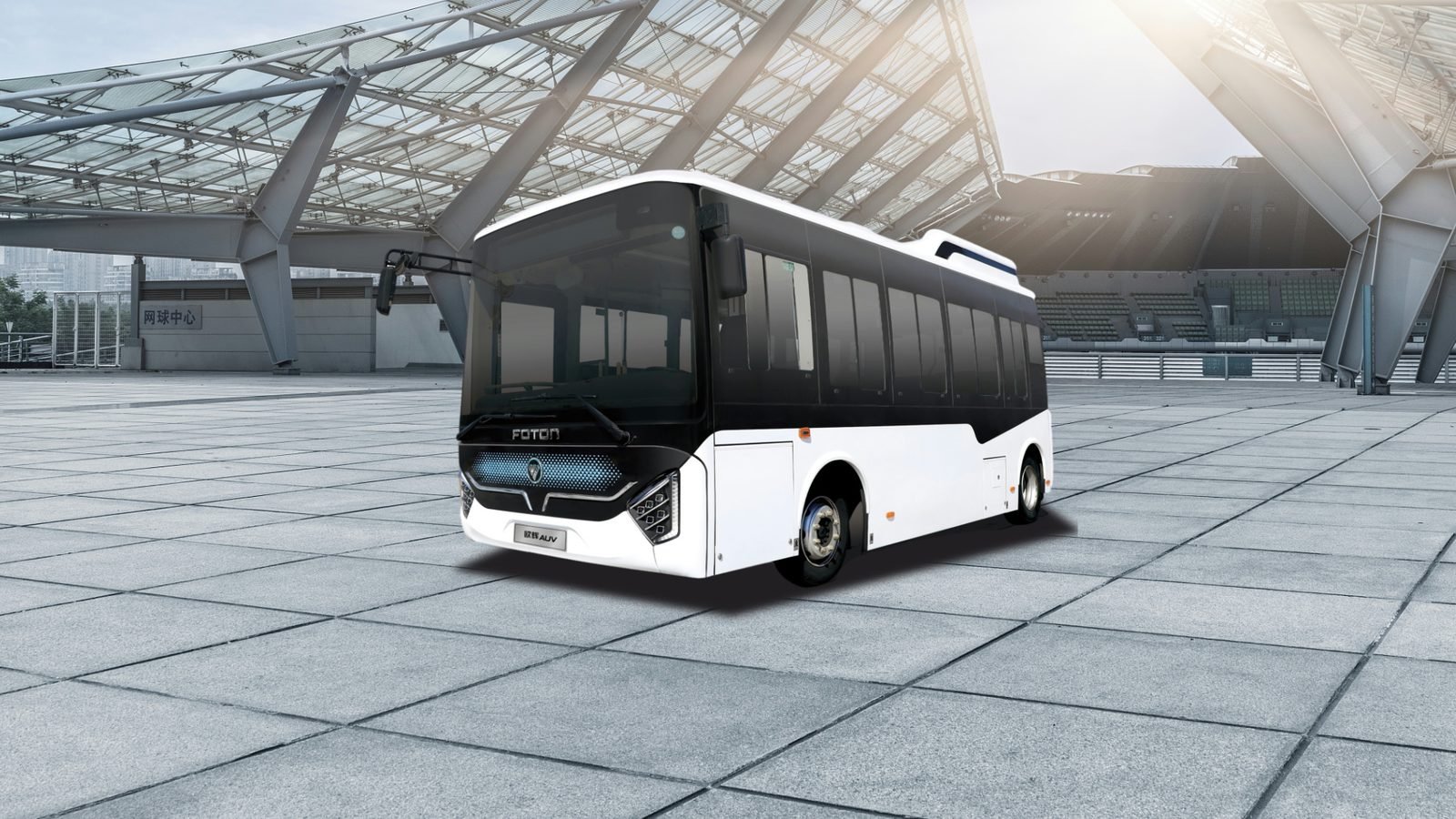
Driven by carbon-neutrality targets, applications such as hydrogen heavy-truck cylinder frames, eVTOL aircraft, magnesium construction formwork and 3C housings have scaled rapidly, marking a new cycle of high-value magnesium deployment.
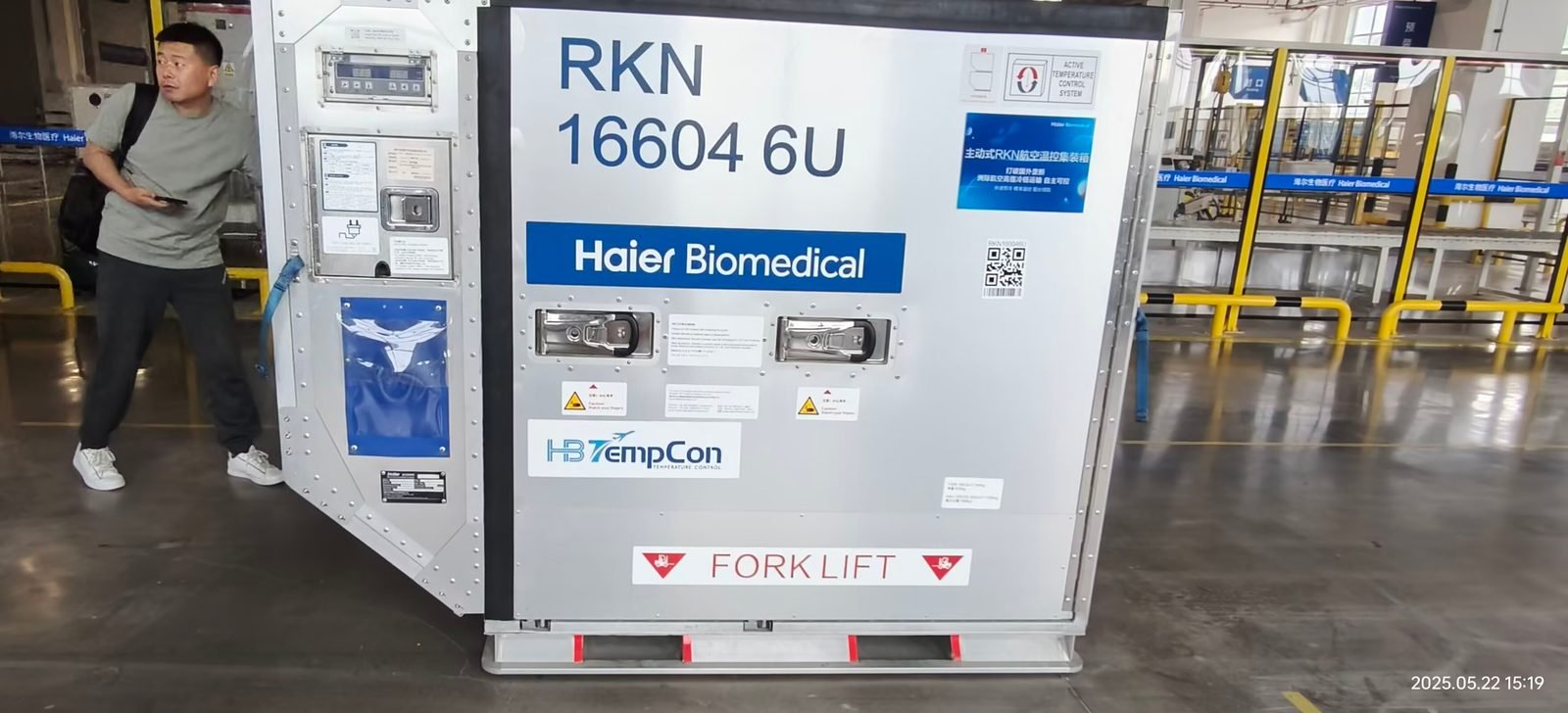
Our production base, casting workshop, magnesium billet and slab, and lightweight components already in service.
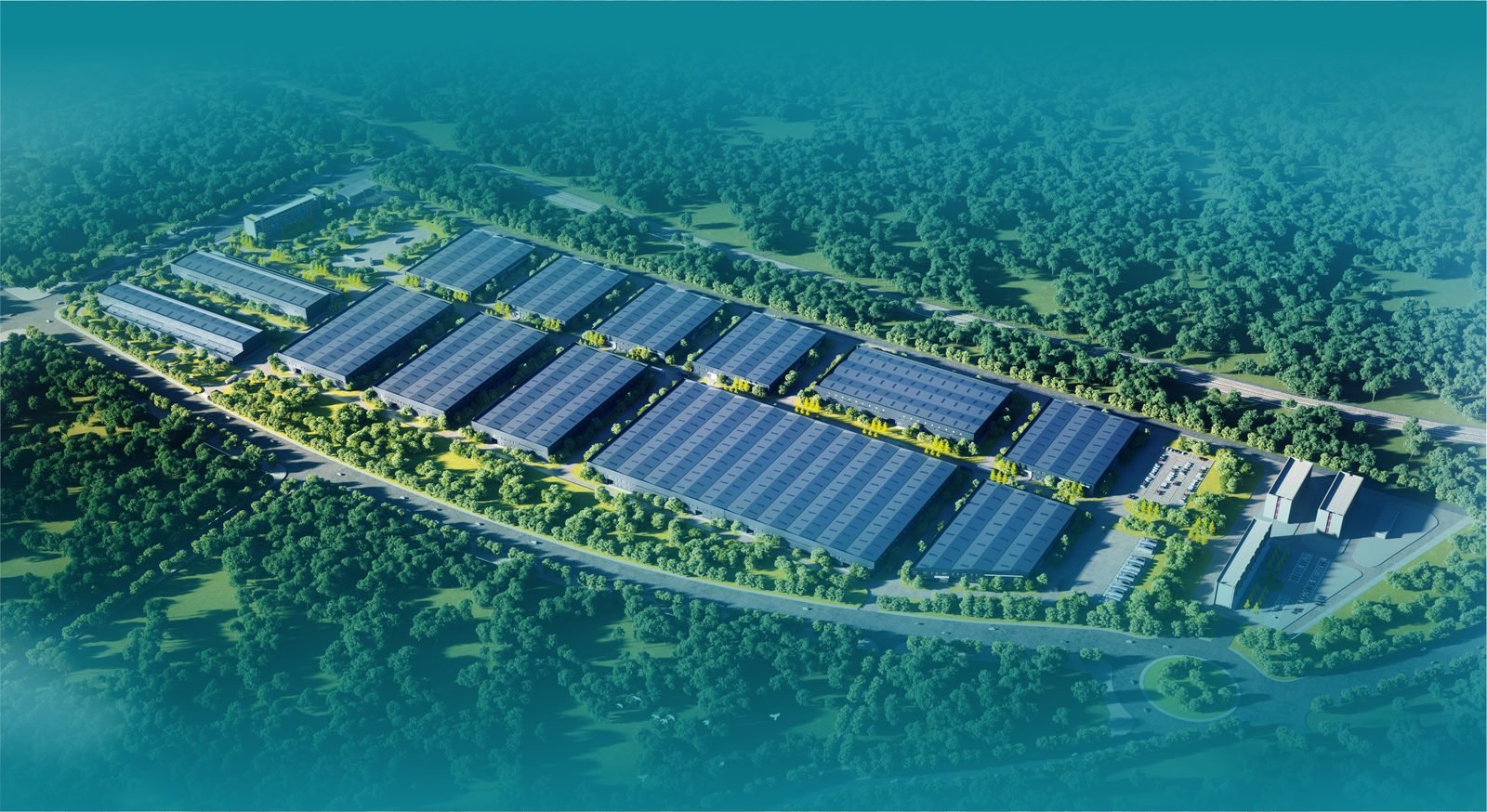
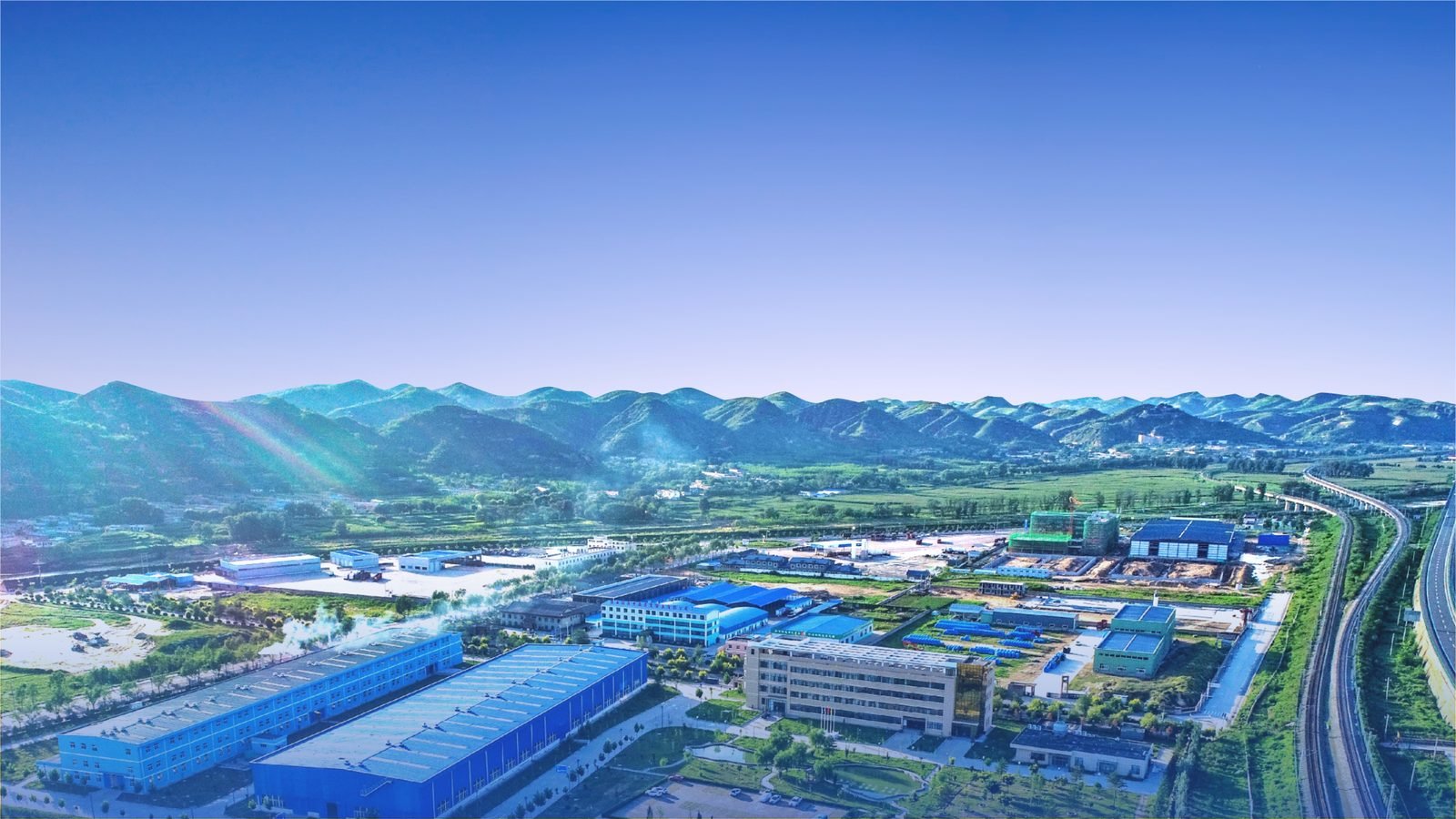
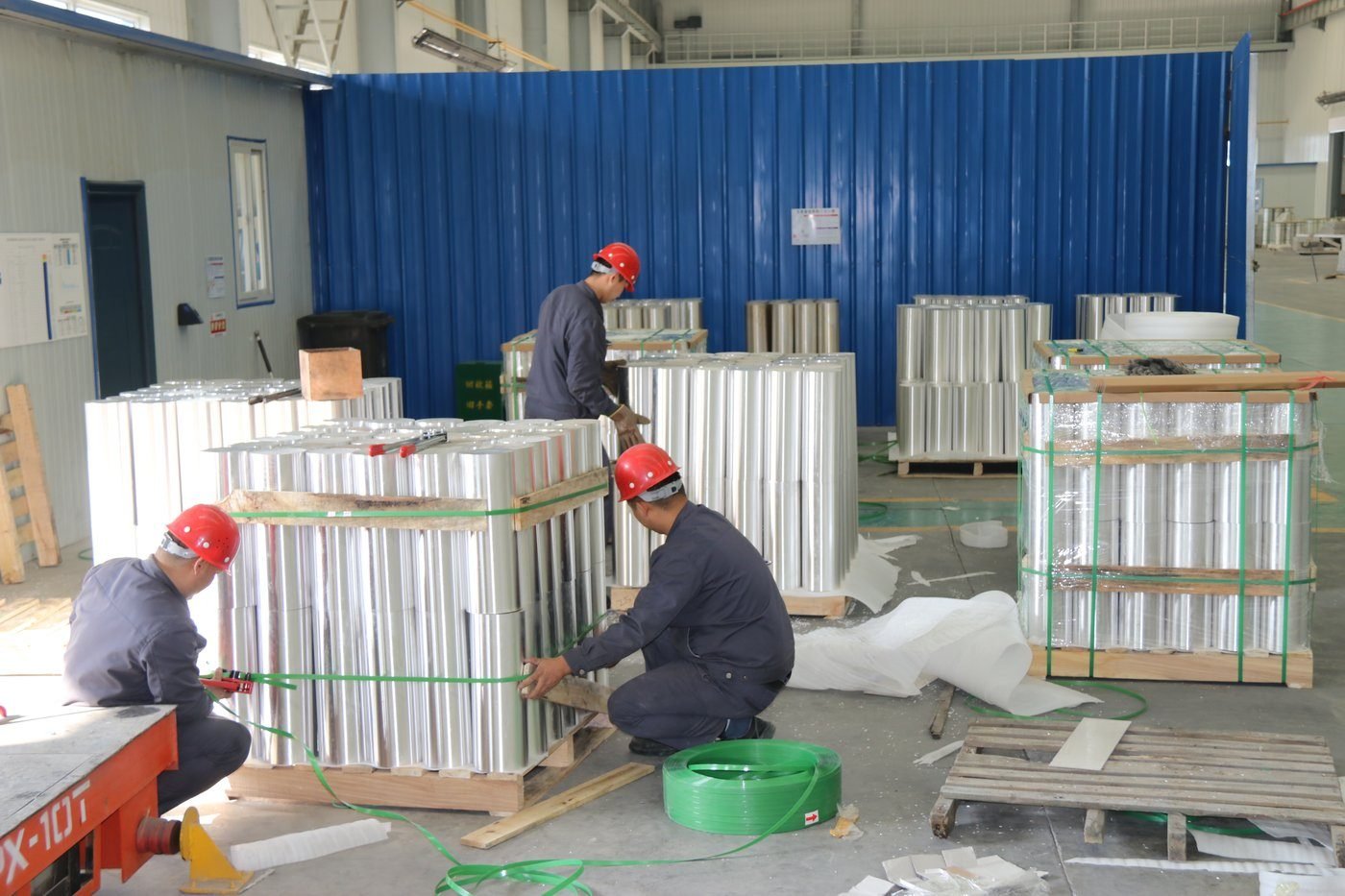
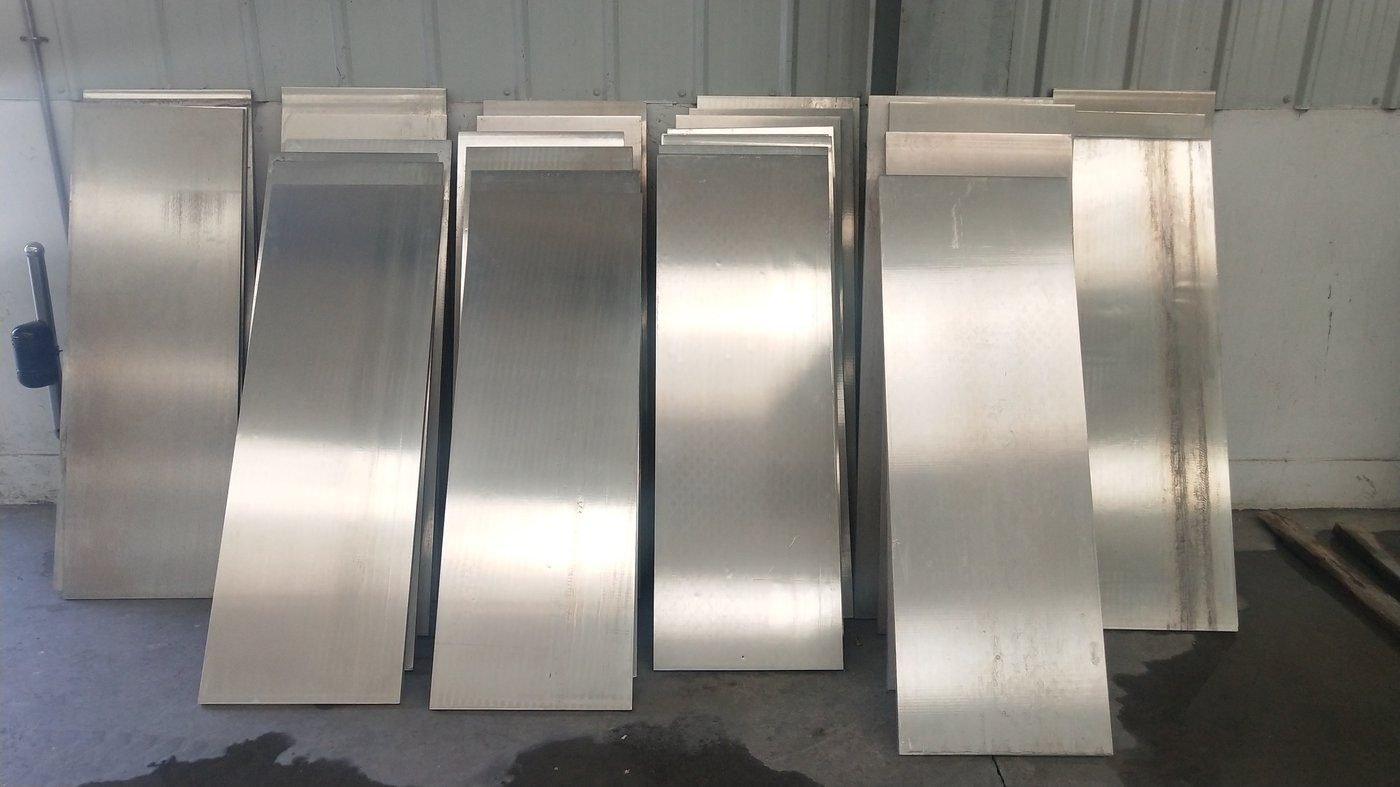
From founding in 2013 to international awards - a decade of magnesium innovation.
Hydrogen heavy-truck cylinder frame recognised internationally; first batch order of CNY 80 million signed.
Included in the key project pool; Phase II extrusion and deep-processing line planned.
Innovative Product Award for magnesium alloy building formwork.
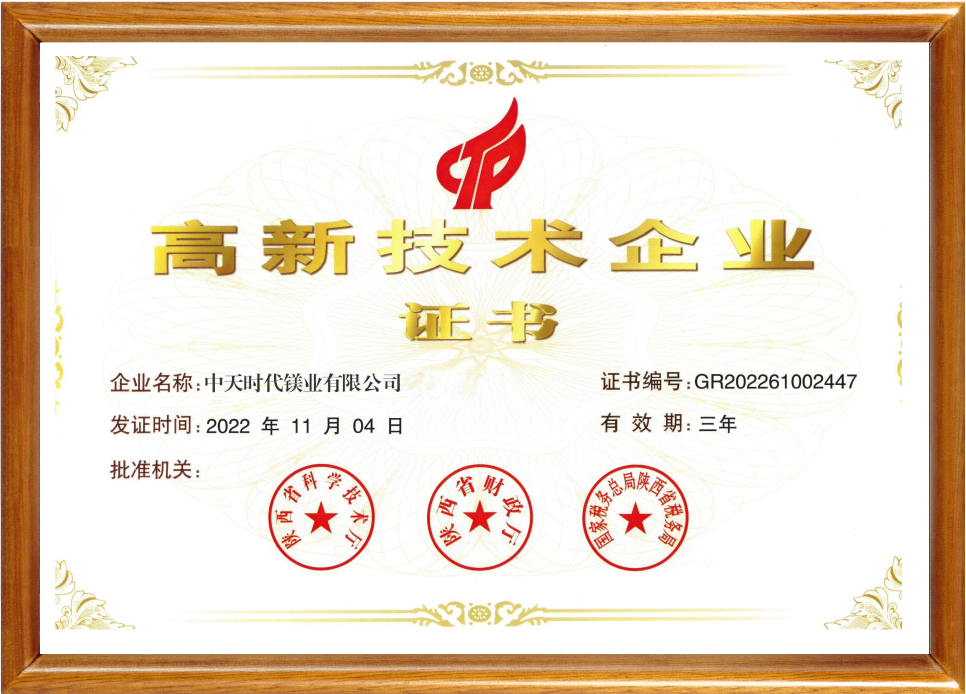
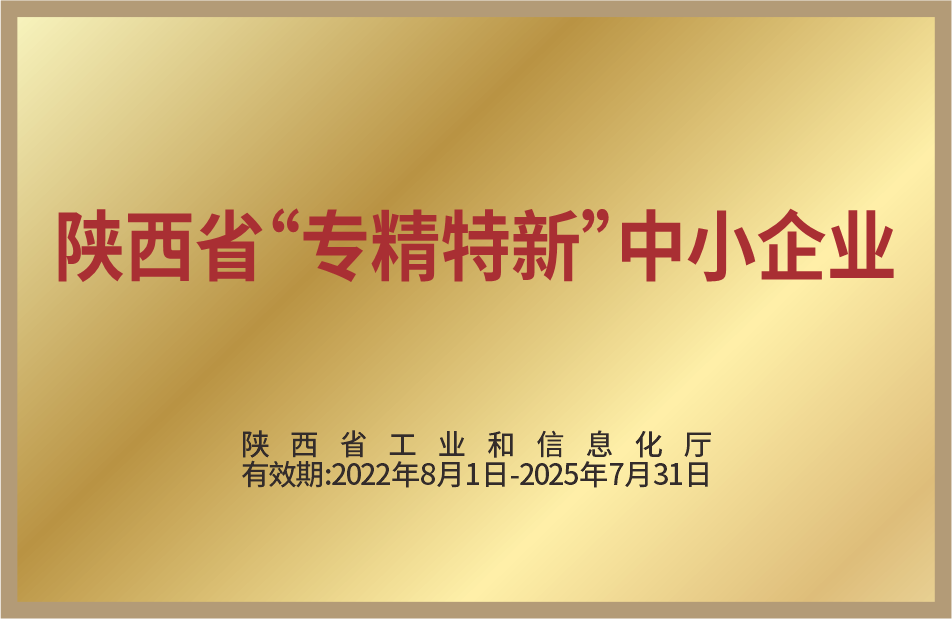
Certified in November 2022; 16 national patents granted.
Established with China Railway Construction Group and Chongqing University; listed as Shaanxi pre-IPO candidate.
Built after five years and CNY 50 million of R&D investment.
Among the first batch in Shaanxi Province.
Registered capital CNY 100 million; wrought magnesium alloy R&D, production and application.
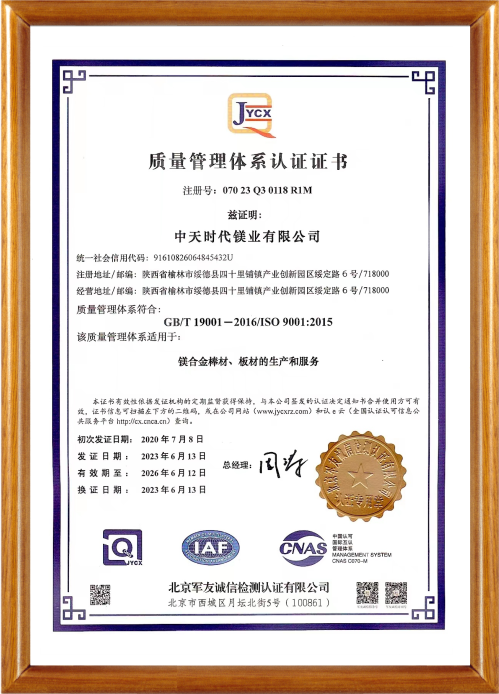
National High-Tech Enterprise · Shaanxi Specialized & Sophisticated SME · ISO 9001 Certified
Joint R&D platforms with Northeastern University and Chongqing University.
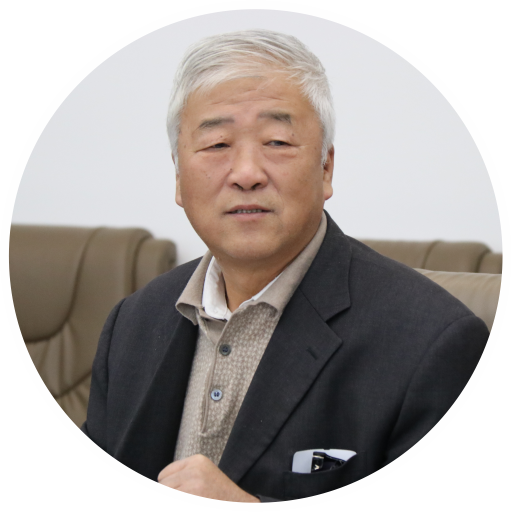
CTO · Shareholder/Director. Former director of EPM Key Lab, Northeastern University.
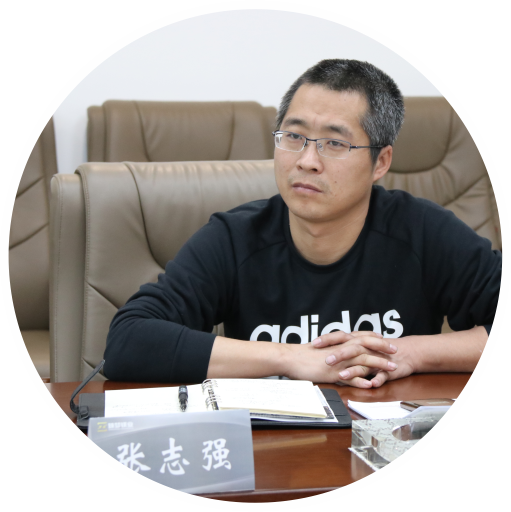
Shareholder · Research Professor. Electromagnetic processing of materials.
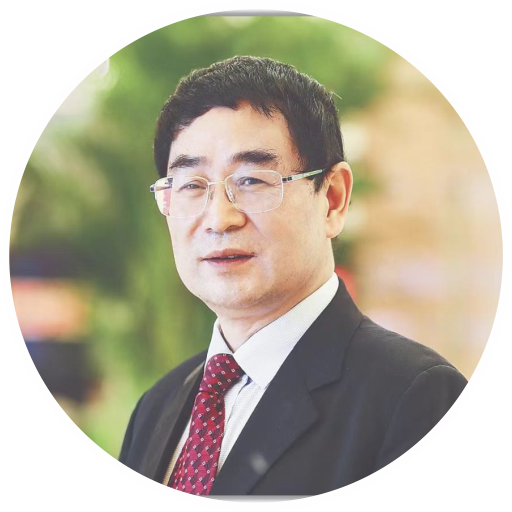
Distinguished Expert. CAE Academician, Chongqing University.
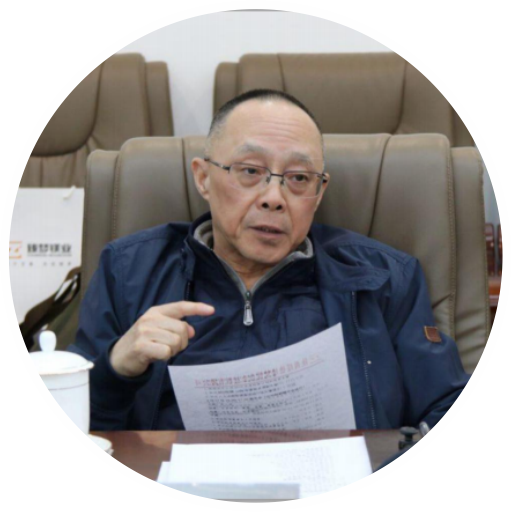
Distinguished Expert. Professor-level senior engineer.
Send us your drawing or problem. Our engineering team will respond on feasibility, process route and tooling.
 Zhongtian Shidai Magnesium Co., Ltd.
High-performance wrought magnesium alloy materials and lightweight components. Founded 2013, registered capital CNY 100 million, based in Yulin, Shaanxi.
Research as the foundation, application as the driver.